


Benefits
Stronger you
We already know the health benefits of moving and working out, but how does the Swedish statistics really look like?
Around 65% of Swedes aged 16–84 report being active at least 30 minutes daily, with no change in a decade.
13–15% report sedentary leisure habits — with older adults and lower education groups most affected.
Just 25 minutes of dance can cut depression symptoms by ~47%; 45 minutes can drop anxiety by ~57%.
WHO data shows globally 31% of adults (and a staggering 80% of teens) fall short of recommended activity targets.
Dance is shown to reduce stress better than traditional gym workouts by lowering cortisol and boosting endorphins and oxytocin.
Martial arts training shows a medium positive effect on reducing internalizing mental health issues (depression, anxiety) and improving overall wellbeing.
It also enhances stress management, self-esteem, discipline, emotional regulation, and cognitive control.
Key takeaways
What about the inside out’s? How does this kind of choreography affect us, really?
Physical health
Meets/exceeds 150 min weekly active targets; builds strength, endurance, coordination, balance.
Mental Health
Delivers mood-boosting endorphins, reduced stress/anxiety, improved self-confidence.
Cognitive gains
Dance-choreography improves memory, brain function.
Martial arts enhances focus and self-discipline.
Social connection
Dance-choreography improves memory, brain function.
Martial arts enhances focus and self-discipline.
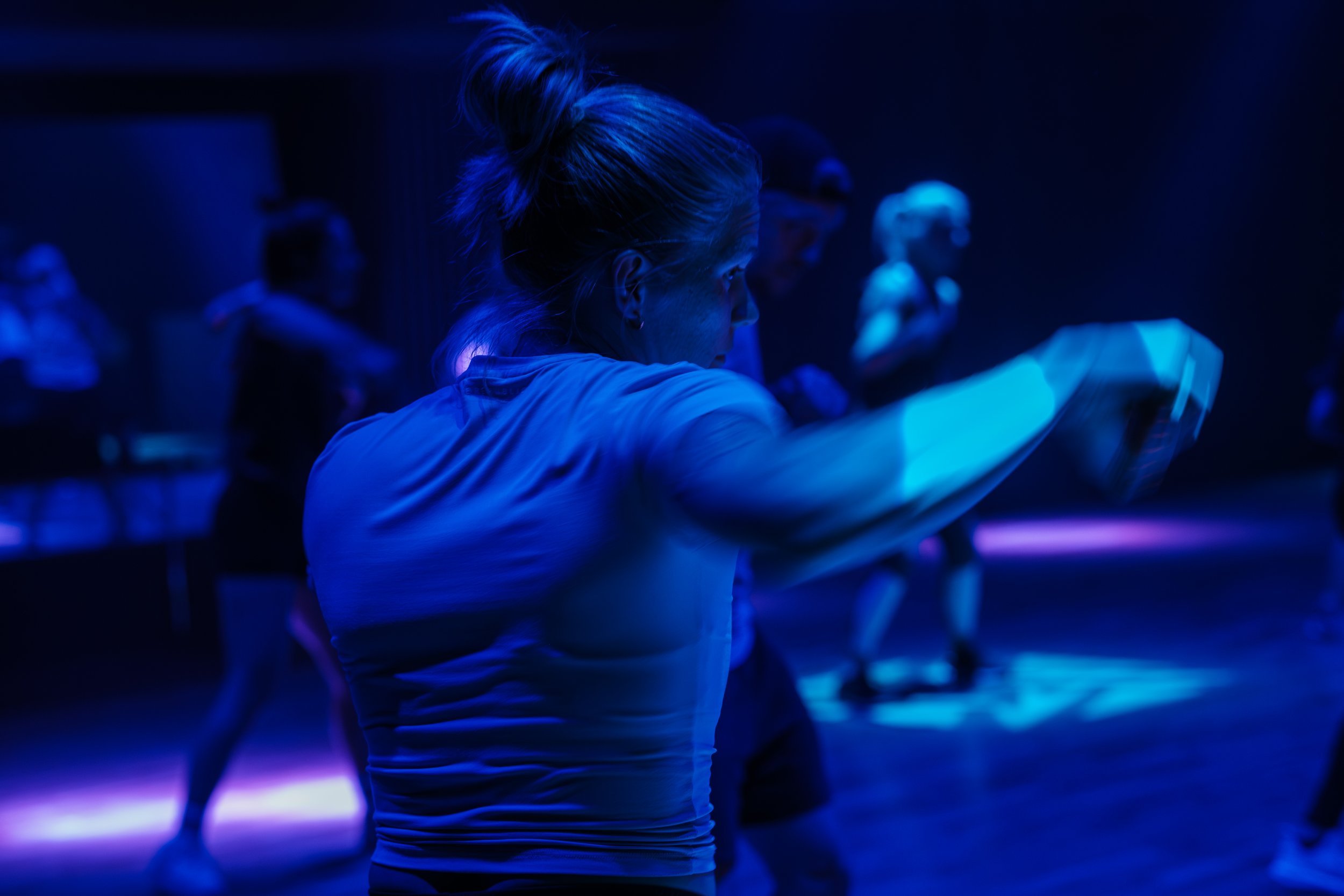
MMAFit addresses a public health need—especially in Sweden, where many fall short of activity goals—by blending dance's emotional and social benefits with martial arts' discipline, strength, and mental resilience. It’s a full-spectrum approach: body, mind, heart, and community boosted in every beat and punch.